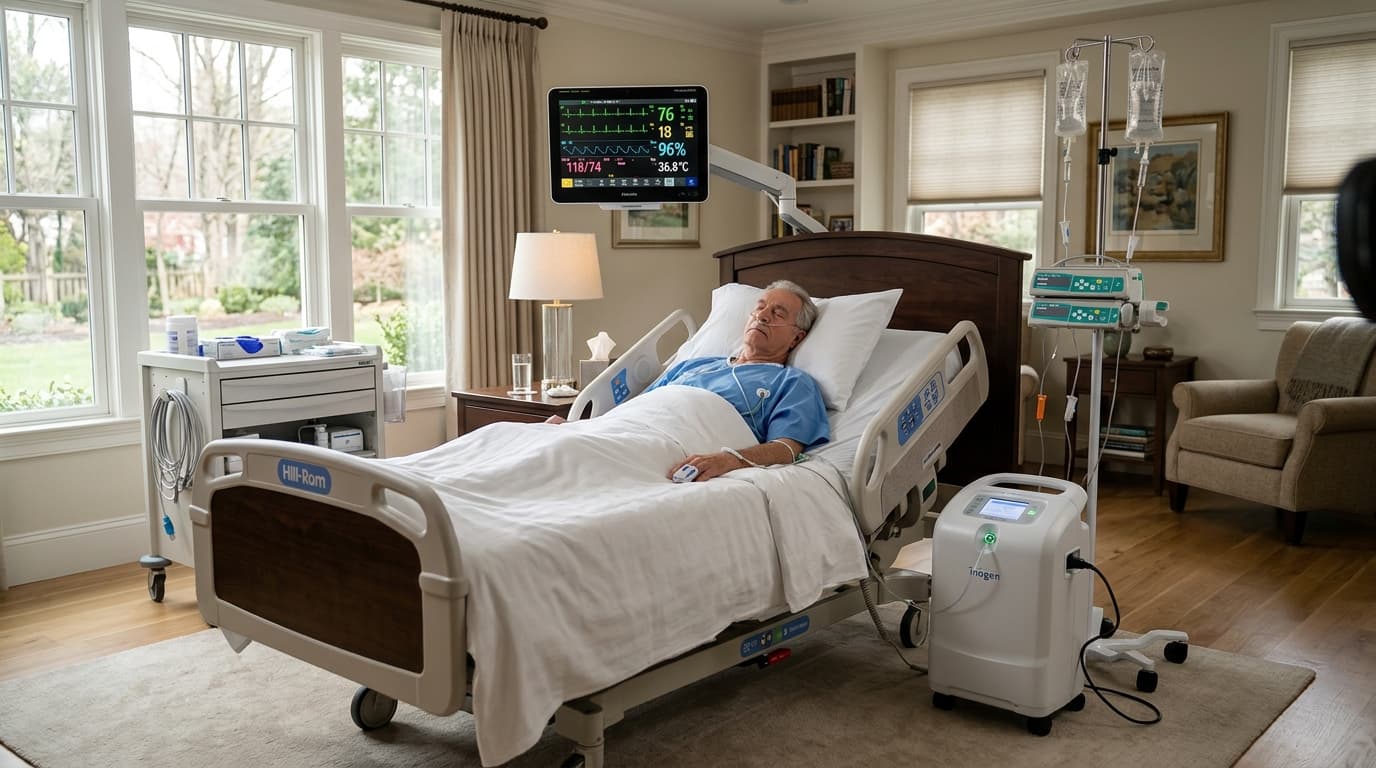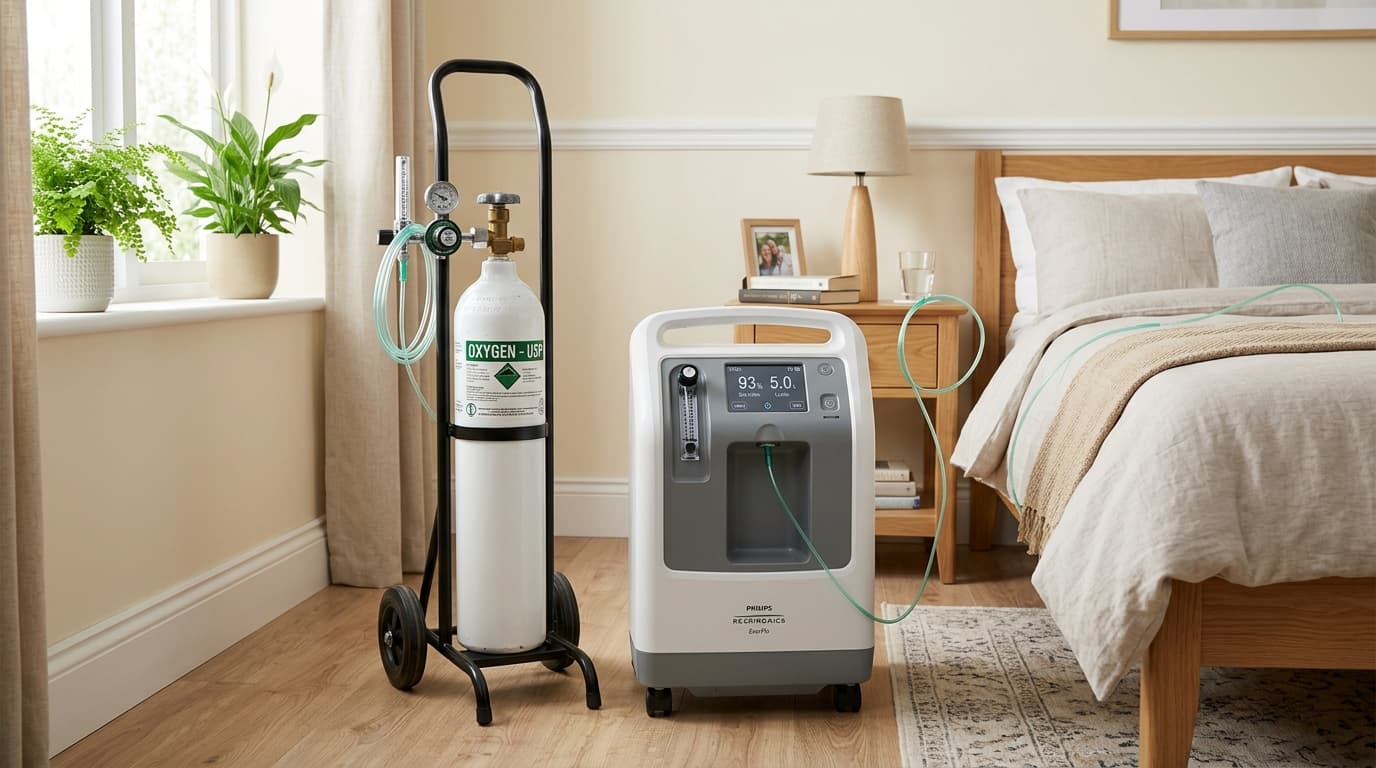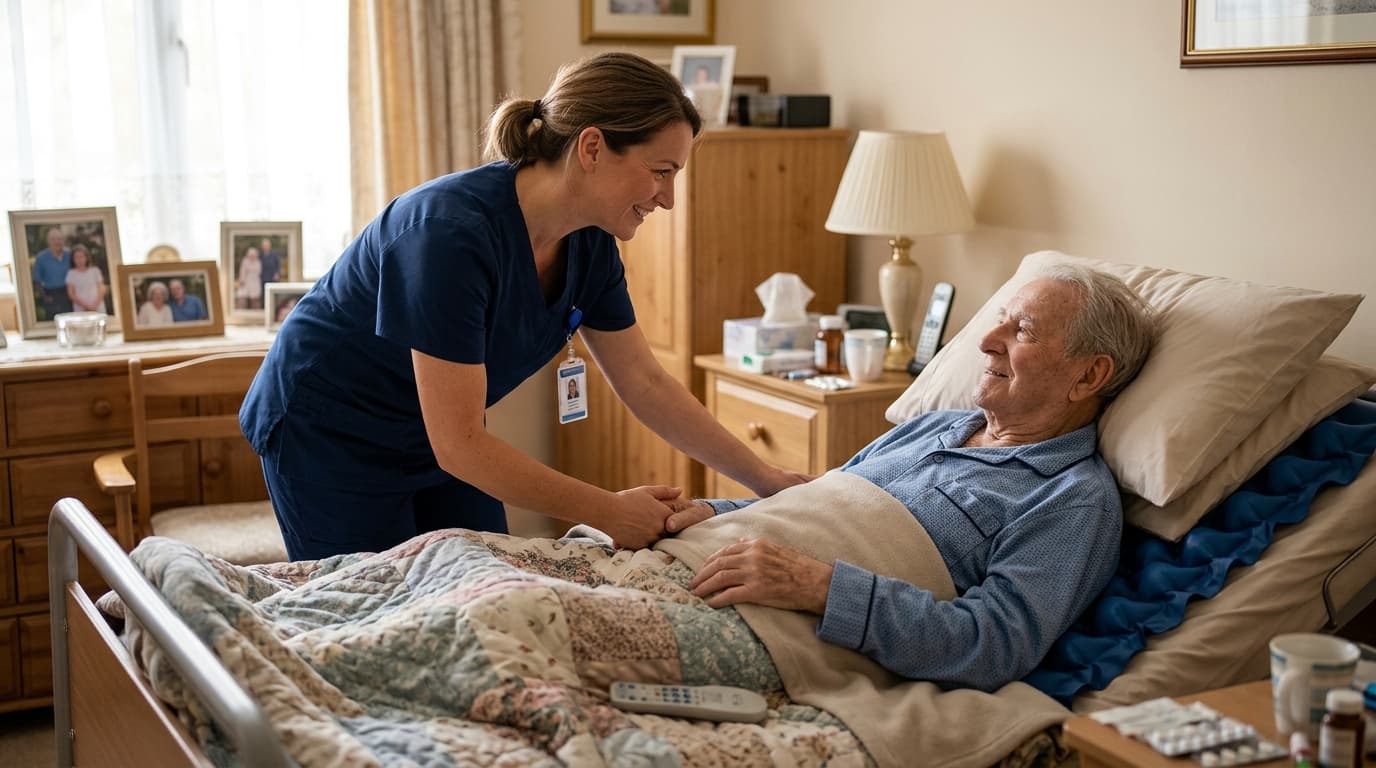
Caring for a bedridden family member after a fracture, paralysis, severe dementia, or terminal illness requires patience, technical skill, and structured daily routines. Bedridden patients are vulnerable to skin breakdown, muscle contractures, and lung infections. Here is how family members and trained home attendants can provide dignified, pain-free daily care.
Key Clinical Takeaways
- Turn and reposition bedridden patients every 2 hours without fail to avoid dangerous bedsores.
- Use an alternating ripple air mattress to maintain continuous capillary blood flow.
- Elevate head of bed to 45° during all liquid or tube feedings to prevent pulmonary aspiration.
- Apply zinc-oxide barrier cream after every diaper change to safeguard fragile skin.
1. The Golden 2-Hour Repositioning Rule
Pressure ulcers (bedsores) develop when prolonged pressure compresses capillary blood flow to the skin, especially over bony prominences such as the tailbone (sacrum), hips, heels, and shoulder blades.
Never allow a bedridden patient to remain in one position for more than 2 hours. Alternate between lateral left tilt (30 degrees), supine back position, and lateral right tilt. Always place soft pillows between knees and under heels to eliminate contact friction.
2. The Mandatory Role of an Anti-Bedsore Air Mattress
A standard cotton or foam mattress traps heat and creates high-pressure pressure points. An alternating ripple air mattress uses dual air cells that inflate and deflate alternately every 10-12 minutes via a quiet medical pump.
This continuous pressure redistribution stimulates microcirculation and prevents stage-1 redness from progressing into open wounds.
3. Bed Bathing & Perineal Hygiene Protocol
Maintain strict hygiene through daily sponge baths with warm water and pH-neutral antiseptic cleansing wash. Pay meticulous attention to groin folds, underarms, and skin creases.
Apply zinc-oxide moisture barrier cream after every adult diaper change to protect sensitive skin from moisture-associated dermatitis (IAD).
4. Safe Ryles Tube & Liquid Feeding Protocols
Never feed a bedridden patient lying completely flat, as this causes silent aspiration pneumonia. Always elevate the head of the bed to 45 to 60 degrees during meals and keep the patient upright for at least 30 minutes following food intake.
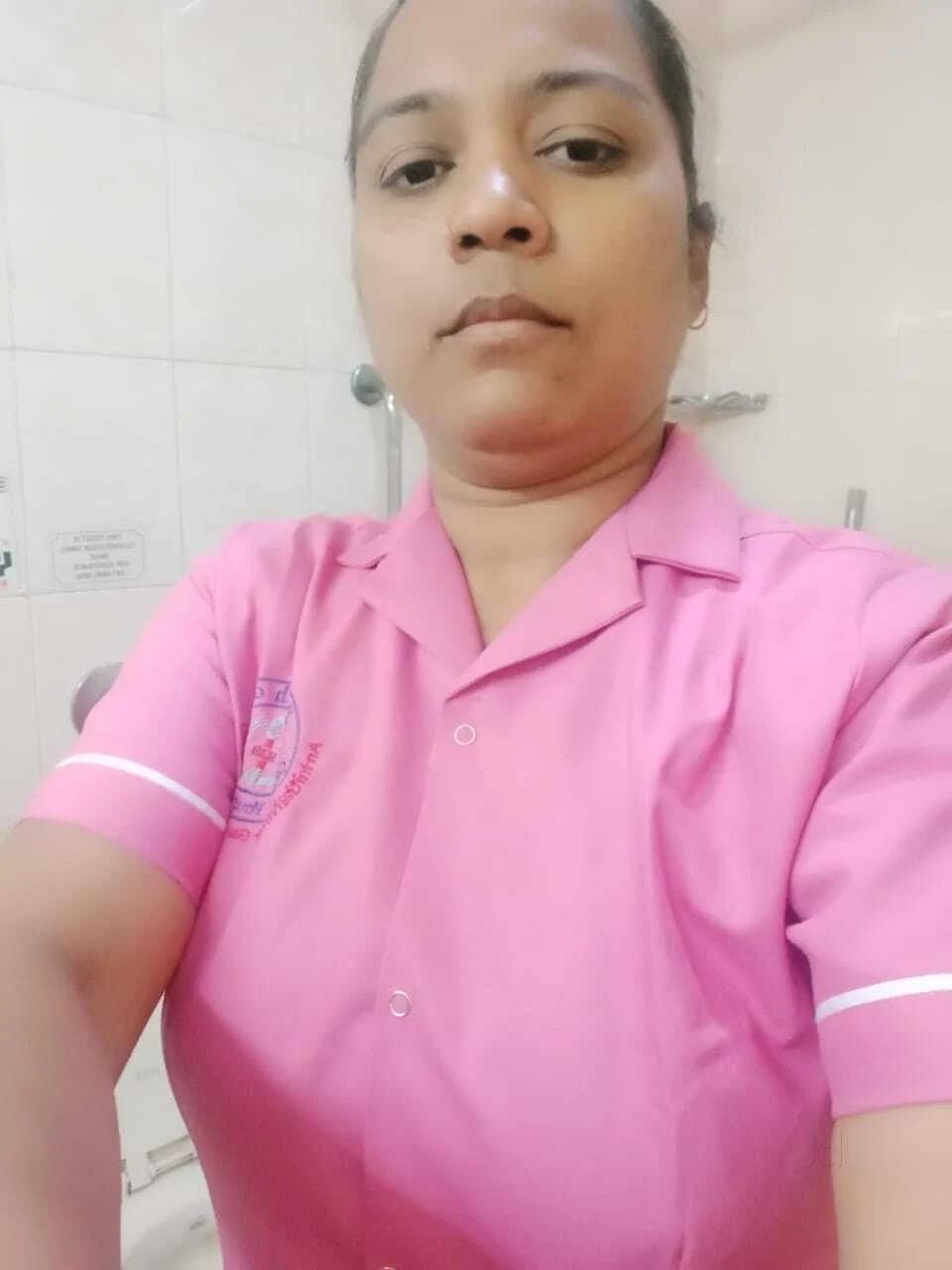
Written & Reviewed by Rajni
Senior Palliative Care Supervisor • CareOn24 Clinical Team
Our clinical leadership guarantees evidence-based medical practices, verified nursing protocols, and biomedical safety standards across Delhi NCR.
Need Professional Home Nursing or Medical Equipment?
Get certified GNM/B.Sc nurses, compassionate patient attendants, and hospital beds or oxygen concentrators delivered within 2 hours in Delhi, Noida, and Gurugram.
2-Hour Doorstep Service Available in Your Locality:
CareOn24 deploys verified ICU nurses, patient attendants, and biomedical equipment on rent across all key North and West Delhi neighborhoods: